Tag Archives: clevedon osteopath

Osteopath in Clevedon, North Somerset – Osteopathy FAQs

Clevedon Osteopath

Osteopathy FAQs: Your Questions Answered Clevedon Osteopathic Practice

If you’re searching for a trusted osteopath in Clevedon, you’re not alone. Many people in Clevedon and the surrounding North Somerset area look to osteopathy for help with back pain, neck pain, sports injuries and everyday aches and pains.

Below, our experienced Clevedon osteopaths answer the most frequently asked questions to help you decide whether osteopathy is right for you.

What Is Osteopathy?

Osteopathy is a regulated healthcare profession that focuses on the diagnosis, treatment and prevention of musculoskeletal pain. It looks at how the body’s muscles, joints, nerves and connective tissues work together.

At our Clevedon osteopathic clinic, we use hands-on treatment to:

  • Relieve pain
  • Improve movement and flexibility
  • Reduce muscle tension
  • Support long-term recovery

All osteopaths in the UK are regulated by the General Osteopathic Council (GOsC).

What Does an Osteopath Do?

An osteopath assesses how your body moves and functions as a whole, not just where the pain is felt. Treatment may include:

  • Soft tissue techniques
  • Joint mobilisation
  • Stretching and movement work
  • Postural and lifestyle advice

Your Clevedon osteopath will create a personalised treatment plan based on your symptoms, medical history and lifestyle.

What Conditions Can Osteopathy Treat?

Osteopathy is commonly used to treat a wide range of conditions, including:

  • Lower back pain
  • Upper back pain and stiffness
  • Neck pain and shoulder tension
  • Headaches linked to muscle tension
  • Sports injuries and muscle strains
  • Postural pain from desk work
  • Repetitive strain injuries

If your condition requires further investigation, we will refer you to your GP or another healthcare professional.

Do I Need a GP Referral to See an Osteopath in Clevedon?

No. You do not need a GP referral to see an osteopath in Clevedon.

You can book directly with our osteopathic practice, making osteopathy a convenient first choice for managing pain or injury.

Is Osteopathy Safe?

Yes. Osteopathy is a safe, evidence-based and regulated profession in the UK.

All registered osteopaths:

  • Complete extensive professional training
  • Are registered with the General Osteopathic Council
  • Follow strict clinical and safety standards

Your safety and comfort are always our top priority.

What Happens at Your First Osteopathy Appointment?

Your first appointment at our Clevedon osteopathic practice will include:

  1. A detailed case history
  2. Physical examination and movement assessment
  3. Explanation of diagnosis and findings
  4. Hands-on osteopathic treatment
  5. Personalised advice and exercises

Appointments are unhurried, and we encourage questions throughout.

Does Osteopathic Treatment Hurt?

Most osteopathic treatment is gentle and comfortable.

Some techniques may feel firm, especially in tight or painful areas, but treatment shouldn’t be painful. Your osteopath will always adjust techniques to suit your comfort level.

How Many Osteopathy Sessions Will I Need?

The number of treatments needed varies depending on:

  • The nature of your condition
  • How long symptoms have been present
  • Your general health and activity levels

Some patients notice improvement after one or two sessions, while others benefit from a short course of treatment. Your Clevedon osteopath will discuss a clear treatment plan with you.

Can Osteopathy Help with Sports Injuries?

Yes. Osteopathy is very effective for sports and exercise-related injuries, including:

  • Muscle strains
  • Ligament sprains
  • Overuse injuries
  • Joint stiffness

We treat both recreational and competitive athletes from Clevedon, North Somerset and the surrounding areas.

Is Osteopathy Suitable During Pregnancy?

Yes. Osteopathy can be very helpful during pregnancy.

Treatment uses safe, gentle techniques to help manage:

  • Lower back pain
  • Pelvic and hip pain
  • Postural changes

We adapt all treatment to ensure comfort and safety throughout pregnancy.

Can Babies and Children See an Osteopath?

Yes. Osteopathy for babies and children uses very gentle, age-appropriate techniques.

Parents in Clevedon often seek osteopathic care for:

  • Feeding difficulties
  • Tension following birth
  • General musculoskeletal concerns

Your osteopath will always explain treatment clearly and answer any questions.

Is Osteopathy Covered by Health Insurance?

Many UK health insurance providers cover osteopathic treatment.

Our Clevedon osteopathic clinic provides receipts to support insurance claims, but we recommend checking with your insurer before booking.

Is Osteopathy Just “Cracking”?

No. Osteopathy includes a wide range of techniques such as:

  • Soft tissue massage
  • Joint mobilisation
  • Stretching and rehabilitation exercises
  • Postural and ergonomic advice

Joint manipulation may be used when appropriate, but it is never essential and always optional.

Is Osteopathy Right for Me?

If pain or stiffness is affecting your:

  • Sleep
  • Work
  • Exercise
  • Quality of life

Osteopathy may be able to help. Booking an assessment allows us to determine the most appropriate treatment for you.

Book an Osteopath in Clevedon

If you’re looking for a professional, friendly osteopath in Clevedon, our experienced team is here to help.

📍 Convenient Clevedon location on the corner of Old Chrurch Road and Strode Road BS21 6PT
📞 Easy online booking www.clevedonosteopaths.com 01275 877339
💬 Personalised, hands-on care

Contact our Clevedon osteopathic practice today and take the first step towards moving better and feeling better.
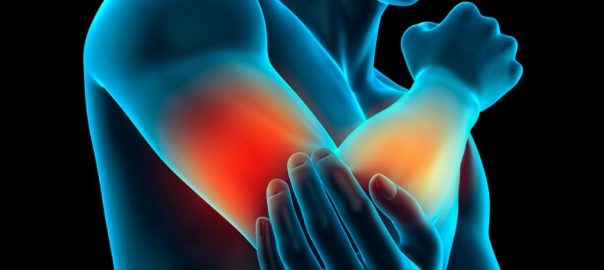
Tennis Elbow & Golfers elbow pain info from Clevedon Osteopaths

Clevedon Osteopathic Practice : Understanding Tennis and Golfer’s Elbow: Causes, Physiology, and How Osteopathy and Shockwave Therapy Can Help

Elbow pain can be frustrating and limiting, especially when it interferes with daily activities. The most common conditions affecting the elbow are Tennis Elbow and Golfer’s Elbow—, these conditions can affect anyone, not just athletes. If you’re experiencing persistent elbow discomfort, understanding these conditions and the treatment options available—including osteopathic care and shockwave therapy—can help you recover faster and return to pain-free living.

What Are Tennis and Golfer’s Elbow?

Tennis Elbow (Lateral Epicondylitis)

Tennis elbow is a condition involving inflammation or micro-tears of the tendons that attach to the lateral epicondyle (the outer part of the elbow). It is often caused by repetitive motions involving gripping and wrist extension, such as typing, painting, or using tools.

Golfer’s Elbow (Medial Epicondylitis)

Golfer’s elbow affects the medial epicondyle (the inner part of the elbow). It’s caused by overuse of the wrist flexor muscles and tendons—those responsible for bending the wrist and gripping. It’s commonly seen in golfers, but also affects people who frequently lift, carry, or perform repetitive wrist movements.


The Physiology Behind the Pain

Both conditions involve tendinopathy, a disorder of the tendons typically characterised by:

  • Microtrauma from repetitive strain
  • Degeneration of collagen fibres in the tendon
  • Inflammation (more prominent in early stages)
  • Pain and reduced grip strength

Unlike acute injuries, these are often chronic overuse conditions, meaning they develop gradually over time. The pain is typically localised, worsens with activity, and may radiate down the forearm.


How Osteopathic Treatment Can Help

Osteopaths take a holistic approach, assessing the entire musculoskeletal system rather than just the site of pain. Treatment for tennis or golfer’s elbow may include:

  • Soft tissue manipulation: To release muscle tension in the forearm and surrounding areas.
  • Joint mobilisation: Especially of the elbow, wrist, shoulder, and upper spine to improve mechanics and reduce strain.
  • Postural correction: Poor posture and biomechanics can contribute to elbow strain—osteopaths help identify and correct these issues.
  • Rehabilitation exercises: Tailored stretches and strengthening routines to prevent recurrence.

Osteopathy not only addresses the symptoms but also targets the underlying mechanical causes, supporting long-term recovery and prevention.


Shockwave Therapy: A Modern Solution for Chronic Elbow Pain

Extracorporeal Shockwave Therapy (ESWT) is a non-invasive treatment that uses sound waves to stimulate healing in injured tissues. It is especially effective in chronic tendinopathies where healing has stalled.

How Shockwave Therapy Works

  • Promotes neovascularisation (formation of new blood vessels)
  • Stimulates collagen production
  • Breaks down calcific deposits (if present)
  • Reduces pain by decreasing substance P (a pain-mediating chemical)

Typically, a course of 3 to 6 weekly sessions is recommended, with each session lasting about 15–20 minutes.

Benefits for Tennis and Golfer’s Elbow

  • Fast-tracks the healing process
  • Reduces dependence on painkillers
  • Minimal side effects and downtime
  • Works well in conjunction with osteopathic care and exercise therapy


Why Combine Osteopathy and Shockwave Therapy?

Together, these therapies address both the symptoms and root causes of tennis and golfer’s elbow. While osteopathy improves joint and muscle function, shockwave therapy accelerates tendon healing at a cellular level. The combination offers a comprehensive, evidence-based treatment plan that’s both natural and highly effective.


When to Seek Help

If you’re experiencing:

  • Persistent elbow pain lasting more than a few weeks
  • Pain that worsens with gripping, lifting, or wrist movement
  • Reduced arm strength or mobility

… it’s worth consulting a qualified osteopath or shockwave therapy practitioner.


Conclusion

Tennis and golfer’s elbow are more than just sports injuries—they’re common, treatable conditions that can significantly impact quality of life if left unaddressed. Fortunately, with expert osteopathic treatment and cutting-edge shockwave therapy, long-term relief is well within reach.

If you’re ready to tackle your elbow pain, get in touch with our clinic today. Your recovery could be just a few sessions away.

Osteopathic Treatment for Low Back Pain: A Natural Approach to Relief

Osteopathic Treatment for Low Back Pain: A Natural Approach to Relief

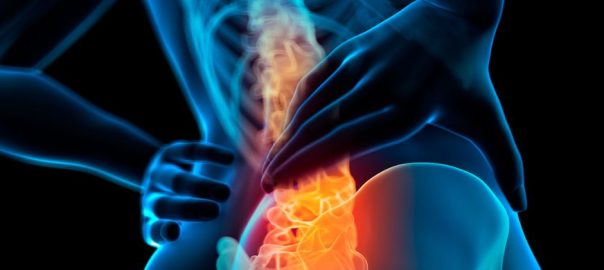
Low back pain is one of the most common health issues in the UK, affecting millions of people at some point in their lives. Whether caused by poor posture, injuries, or prolonged sitting, this condition can significantly impact daily life. Fortunately, osteopathic treatment offers a natural and effective way to manage and alleviate low back pain.

What Is Osteopathy?

Osteopathy is a holistic approach to healthcare that focuses on the musculoskeletal system—the muscles, bones, and joints. It aims to restore balance and function by treating the root causes of pain, rather than just the symptoms. Osteopaths use a variety of hands-on techniques, including gentle manipulation, stretching, and massage, to improve mobility, reduce muscle tension, and enhance circulation.

How Does Osteopathy Help Low Back Pain?

Osteopathic treatment for low back pain typically involves:

  • Soft tissue manipulation: to relieve muscle tightness and tension in the lower back.
  • Joint mobilization: to improve the range of motion and reduce stiffness in the spine.
  • Postural advice: to correct improper posture that may be contributing to pain.
  • Exercise prescription: to strengthen core muscles and prevent future episodes of back pain.

What to Expect from Treatment

During an osteopathic consultation, your practitioner will take a detailed medical history and assess your posture, movement, and any areas of discomfort. Treatment is tailored to your specific condition, whether it’s a muscle strain, disc issue, or chronic pain. Osteopathy is suitable for all ages and can be used alongside other medical treatments or therapies.

Why Choose Osteopathy for Low Back Pain?

  • Drug-free approach: Osteopathy avoids the use of painkillers, focusing on long-term relief.
  • Whole-body focus: Osteopaths consider the entire body’s structure and function, addressing contributing factors such as muscle imbalances and posture.
  • Personalized care: Each treatment plan is tailored to the individual, ensuring specific needs are met.

Finding an Osteopath in the UK

Osteopathy is a regulated profession in the UK, and qualified osteopaths are registered with the General Osteopathic Council (GOsC). This ensures that you receive safe and effective care. If you’re struggling with low back pain and looking for an osteopath in Clevedon please contact the practice for more information.

By treating the underlying causes of pain and supporting the body’s natural healing process, osteopathy provides a gentle and holistic solution for low back pain.